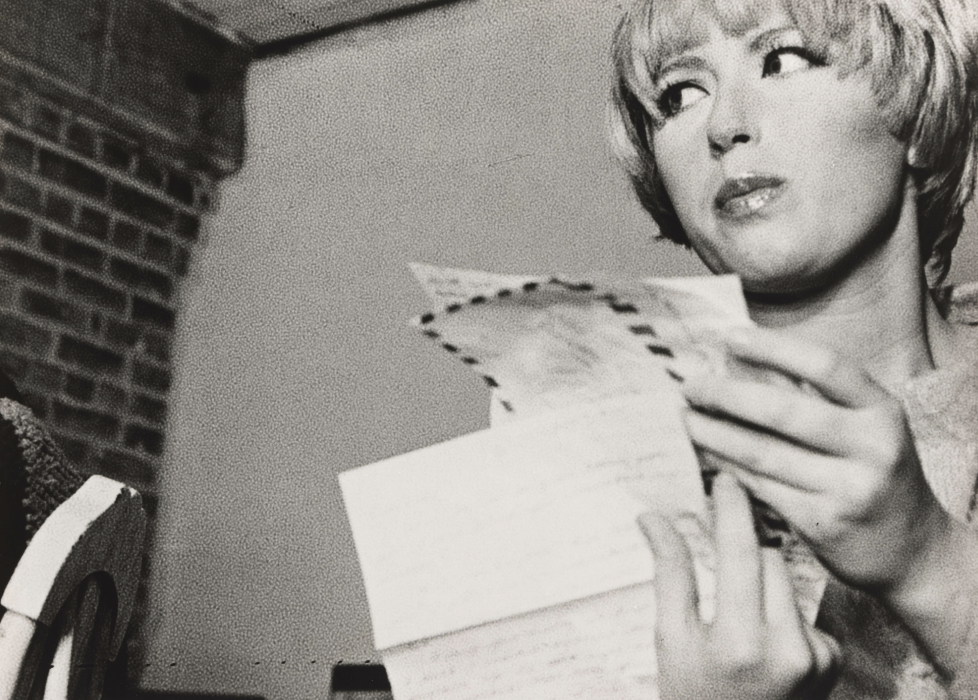
Introducing,
Women Artists @ MoMA
Uncovering patterns and amplifying voices: a digital humanities look at women artists in MoMA’s collection
About this Project
What if the greatest masterpieces and most daring stories of the art world have been hidden in plain sight, simply because they belonged to women?
Using the Museum of Modern Art’s (MoMA) Collection and Artists dataset, drawn from internal records dating back to the museum’s founding in 1929 and containing roughly 15,700 artists, we examine how the representation of women artists in MoMA’s collection has shifted over time and what these patterns reveal about institutional recognition. By tracing the earliest recorded women alongside more recent acquisitions, we identify key moments when their visibility rose, stalled, or was overlooked, and connect these trends to broader cultural forces such as feminist movements, social upheavals, and changes in museum policy. Through an interactive website combining data and narrative, we highlight when women’s work was ignored, when it entered the spotlight, and how institutions shape who the world remembers and celebrates.
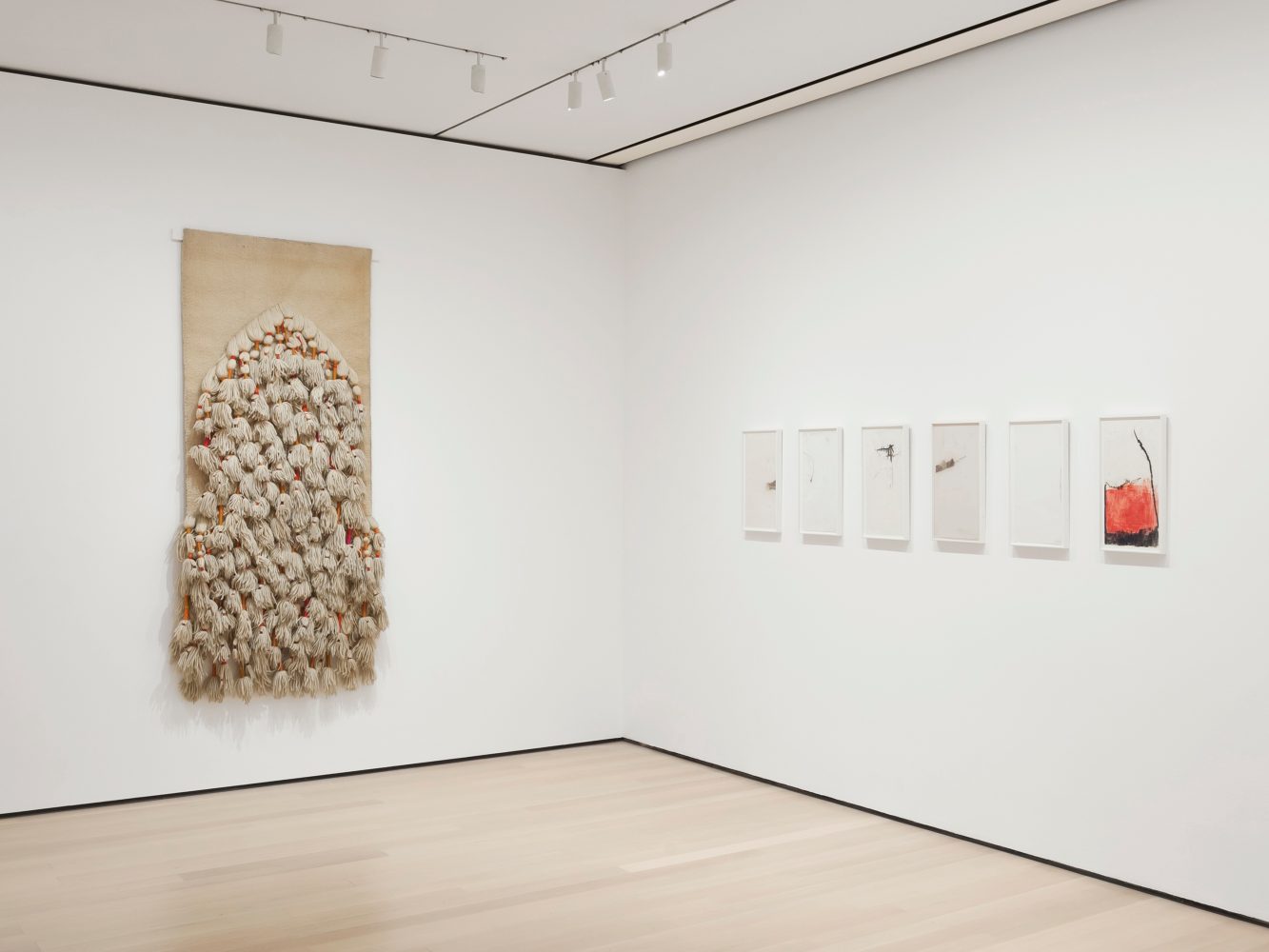
Our Research Question
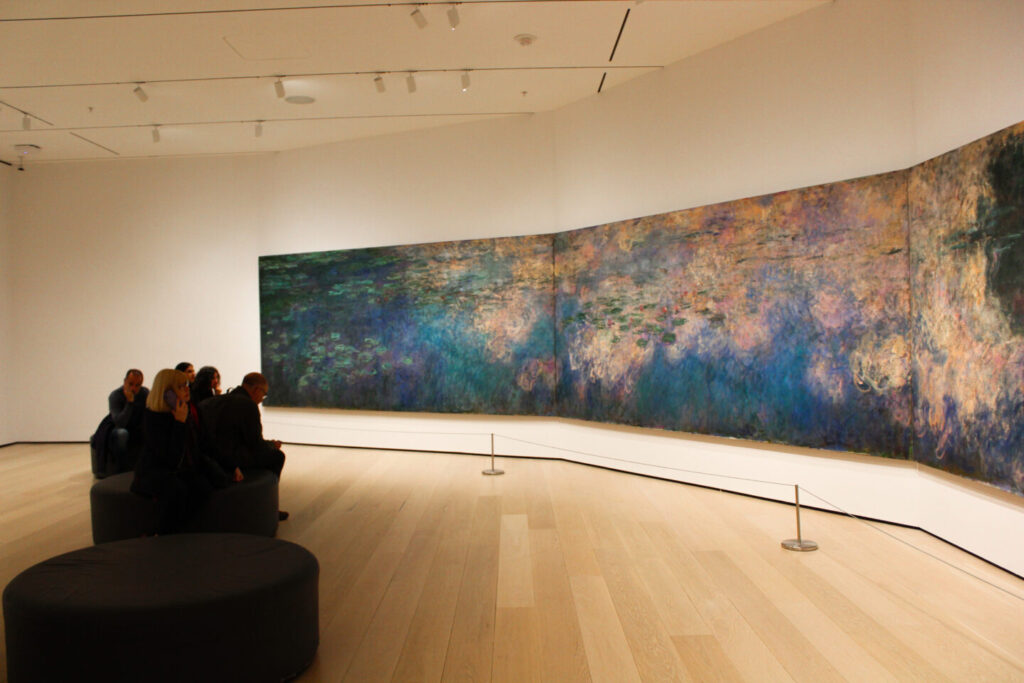
The Museum of Modern Art, New York The Museum of Modern Art, New York
How did women artists’ representation in MoMA’s collection change over time, and what does this reveal about institutional recognition?
The Data
This project uses the Museum of Modern Art’s (MoMA) Collection and Artists dataset. These datasets originated from MoMA’s internal collection records that date back to its establishment in 1929 and are regularly updated by the Museum for accuracy purposes. While some records are marked as incomplete or “Not Curator Approved”, the dataset is relevant to the project because it allows us to analyze how women and other gender groups are represented within MoMA’s collection over time. Since the records include acquisition dates and gender metadata, the dataset makes it possible to trace long-term patterns in institutional collecting practices, analyze changes in representation across decades, and evaluate whether MoMA’s collection history reflects or obscures women artists. This dataset supports the project’s leading question about gender representation and institutional recognition by providing a structured, historical data of MoMA’s collecting decisions.
Literature Review
Many scholars argue that simply adding more women’s works to a museum does not mean women are truly recognized. For example, Duncan points out that MoMA’s older displays were built around male, and women often appeared in the artworks as people to be looked at, rather than being presented as important creators themselves. D’Souza emphasizes that real feminist change is not just “buy a few works by women and call it a day,” but requires rethinking gender bias in every part of the museum’s work collecting, labels and wall texts, research, and education. The main disagreement in the literature is this: some writers see recent initiatives as clear progress, while others argue that even if the numbers of women go up, many women artists, especially from non-Western or other marginalized groups—are still collected late, framed narrowly. Gender representation in art is generally agreed to be an area in which women have consistently been underrepresented, in both museums and galleries, which has shaped how art history has evolved. Much of the literature agrees that this imbalance is due to structural inequalities like market dynamics, curator networking, and gender biases that hinder women artists’ representation in famous museums such as the MoMA. However there are many self reported museum diversity and equality movements, showing the active effort the MoMA takes towards greater representation. Activist movements and social climates have pushed the museum towards these diversity initiatives, but experts are unsure of the longevity of these changes. Some potential gaps in the literature include limited intersectional studies of gender with race or nationality and little insight into how internal decision-making processes affect being featured in museums. Overall, while the topic is well documented, the forces behind real institutional change and the extent to which museums are truly making meaningful changes is still underexplored.
Project’s Significance
This project is significant since it shows how museums shape artists’ legacy by their choices of what to display as well as what they choose to permanently collect. Even though scholars agree that women artists are historically underrepresented, it is not known whether the current rise in visibility represents genuine institutional change or short adaptations to pressure from society. Through examining MoMA’s acquisitions throughout time, we can assess whether women’s inclusion has evolved in a meaningful way; which can help others understand how collecting practices influence which artist’s work is preserved, valued, and eventually written into history. As such, this project provides a data-driven perspective on equity in the arts and illustrates how institutional decisions continue to shape cultural memory.
We are working on the historical changes in the representation of female artists in the MoMA collection because we wanted to find out how the institution’s collection decisions reflect and shape the cultural power structure so that we can help others understand that the narrative of art history is not inherently objective but is constructed, and that each of us has the ability to reshape it through critical questioning, ensuring the formation of a more just and inclusive cultural memory. It reveals that the classics, masters, and art history we accept are not naturally formed but are actively constructed by authoritative institutions like MoMA through a series of biased choices. This helps people understand that history is often a narrative written by the victors, and data can become a tool to challenge this narrative and retrieve the forgotten voices. The cultural landscape we are in is not accidental; it is the result of power operations. However, at the same time, our research demonstrates that this structure is not impregnable – it can be analyzed, questioned, and changed. In summary, what we hope to help others understand is a kind of critical awakening, which is the questioning spirit and the courage to seek truth that everyone should possess when examining any authoritative narrative.